What's the best way to set screen time rules at home? 5 simple methods | Guide to Digital Parenting
March 4, 2019•8 min read

As part of our Ultimate Guide to Digital Parenting, we know that a top question from parents is the best way to set screen time rules when we're at home. And we've got so many helpful approaches for you!
Because bringing gadgets into your family's lives is more than just making sure they're charged and that they don't get broken or lost. There's a lot of responsibility on everyone's part when it comes to good digital citizenship -- and this includes us too, parents!
Here, we're sharing 6 helpful ideas to consider when you're setting screen time rules at home. These are some ideas you may not have considered, and we really hope you find them useful. No judgment here, though. You can easily implement any of these approaches in your home right now.
1. First, think about your digital parenting approach overall.

2. Make a gadget contract
If you're bringing gadgets into your home, a gadget contract is an excellent way to help ensure your screen time rules are followed. Yes, it may sound a bit formal, but if you're allowing kids to use expensive gadget, it's important that they understand the gravity of the responsibility. Especially for tweens, and teens, but it's even a good idea for young kids, who can understand a simple agreement including details like respectful to the gadget (it's not a toy!), storing it properly, and turning it off when asked. We've put together 10 questions you should ask yourself to help create a gadget contract that we think is an excellent place to start building your own. Whether you decide to create a formal document in writing -- signature required -- or you simply create a verbal contract with your kids, we strongly suggest discussing all the aspects of gadget ownership (or rental) with your kids before you hand them the gadget.3. Set expectations. And stick with them!
Whether you decide to institute a more formal contract, or just establish some general screen time rules for the household, it's important that everyone is aware of screen time expectations in your home. And that includes the adults. So ask yourself a few questions to help you put your expectations into rules that everyone can understand. Will you have a screen-free dinner table? Is "second screening" (those times when people use two screens on at once, like playing with phone apps while watching TV) acceptable? When and where are headphones acceptable? Do devices, including phones, "belong" to your kids, or are they on loan from you? Too often, we allow our kids to use gadgets without first making it clear what we expect in terms of their behavior when they use them. So give it some thought, then whatever your screen time expectations, be sure they are known by ever member of your family (and all of your caregivers, too!) and stick with them. And hey, if you discover they're just not working, it's your home and you're the grown-up. You get to change the rules when you want.Have more questions? Be sure to check out our entire Ultimate Guide to Digital Parenting for lots of helpful information.
4. Create sacred spaces
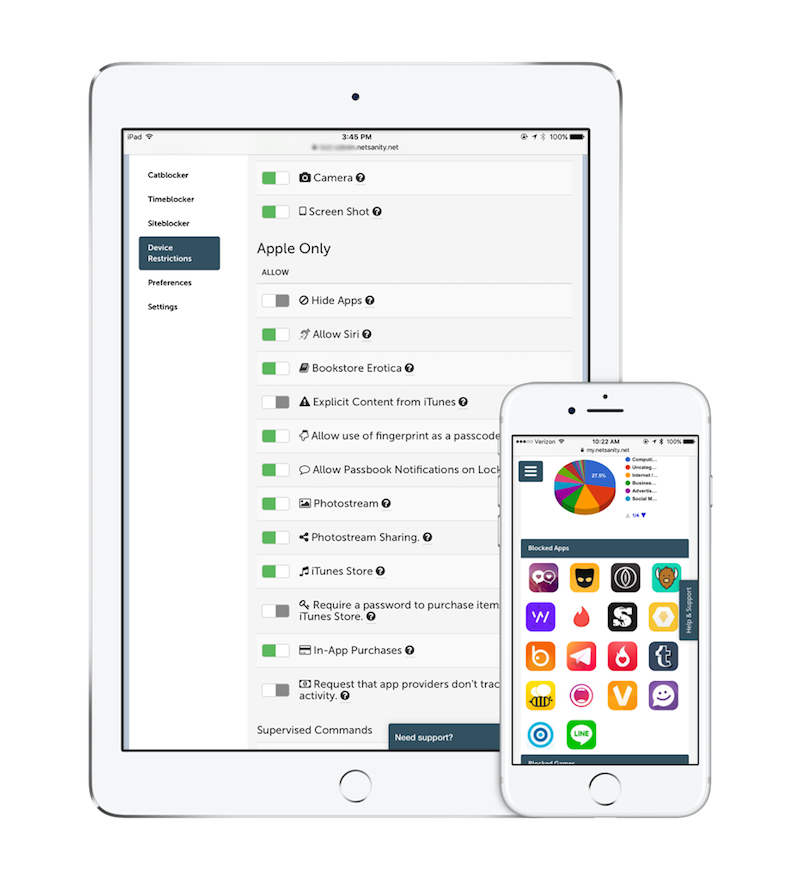
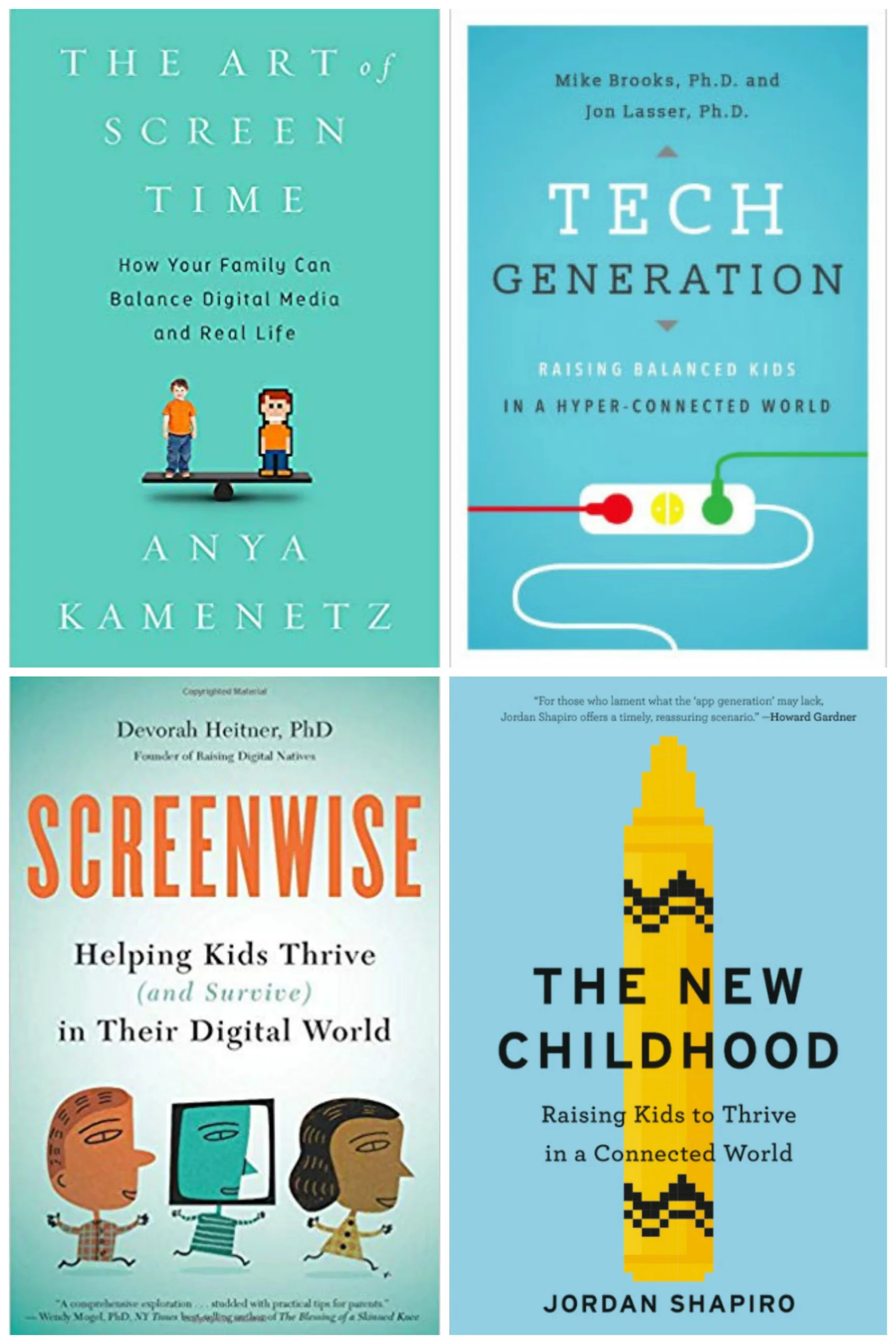
We love this idea from tech expert Dr. Mike Brooks so much! With so many families relying on technology to allow us more flexibility in our work life (whether we're working from home or out of the house), this notion of creating sacred, tech-free spaces really resonates. Just as you might have rules about where people can eat or wear shoes or play loud music (or not), the same can apply to your family's technology use. Designate specific spots or spaces in your home where gadgets are permitted. So for example, if you want to play a game, watch a video, or even answer a call, you have to be to be in the kitchen or sitting on the couch. Everywhere else = no tech. As an alternative, you can also create tech-free spaces. One thing that works for us, is a strict, no-tech-in-beds rule. How about sacred times? In a recent conversation with author Jordan Shapiro on our Spawned podcast, he offered the suggestion of giving your kids more flexibility with their gadgets, so long as they comply with some non-negotiables, which might include everything from spending time outside every day, reading for at least 15 minutes before bed, doing homework, completing chores, plus not in the car for short rides, the table, and in bed... you get the idea. It's an interesting play on the sacred spaces idea, and in a similar vein, allows parents freedom from their timer (and from always being the screen time cop).5. Implement screen time monitoring apps or devices
6. Examine your own screen time use, and be your own best example.
Every tech expert we speak to says the exact same thing: you are setting a screen time example for your kids. And in a recent New York Times article, it's pretty clear to our kids that we're on our phones too much. If you're on your phone or tablet constantly, if you're easily distracted by alerts, or if you can't seem to moderate your own screen time usage, you're sending the message to your kids that what you're doing is okay. That's why it's so important that your household screen time rules apply to everyone in the house; and trust us, your kids will be glad to hold you accountable! (Maybe too much so!) We also know that for many parents, phones and tablets help you actually spend more time with your kids, because they can untether you from your work desk. So no guilt here at all. In fact, we've shared a variety of ways you can make your phone less distracting without putting it down completely. And if you do feel like you're addicted to your screen, like so many parents, we can help there too. In fact, we have an entire series of posts to help you curb your screen addiction. We also recently interviewed Catherine Price, author of How To Break Up With Your Phone, on our Spawned Parenting Podcast, who offers a 30-day screentime break-up plan (and make-up plan), along with the science behind why we're all so obsessed with our phones. But when it comes down to it, it's essential to remember that kids will do what we do, not what we say, so be ready to follow your own household screen time rules to a tee. Be sure to check all the articles in our Ultimate Guide to Digital Parenting for more answers to parents' top tech questions.


![Relay: The smartphone alternative for communicating with your kids, without apps, texts or other distractions [sponsor]](/api/storage/objects/media/images/327ed5ad75f197ff261682c32297f305c9d133b26ffa742bf309833b91613038/relay-the-smartphone-alternative-for.webp)
Filed Under:guide to digital parentinginternet safetyparentingScreen Timesocial mediatips and tricks
Note: This is imported sample content. Original source.